logo

ZHENGZHOU SHENGHONG HEAVY INDUSTRY TECHNOLOGY CO., LTD. sales@gcfertilizergranulator.com 86--15286833220
i nostri prodotti
Prodotti Consigliati
Chi siamo
Perché scegliere noi
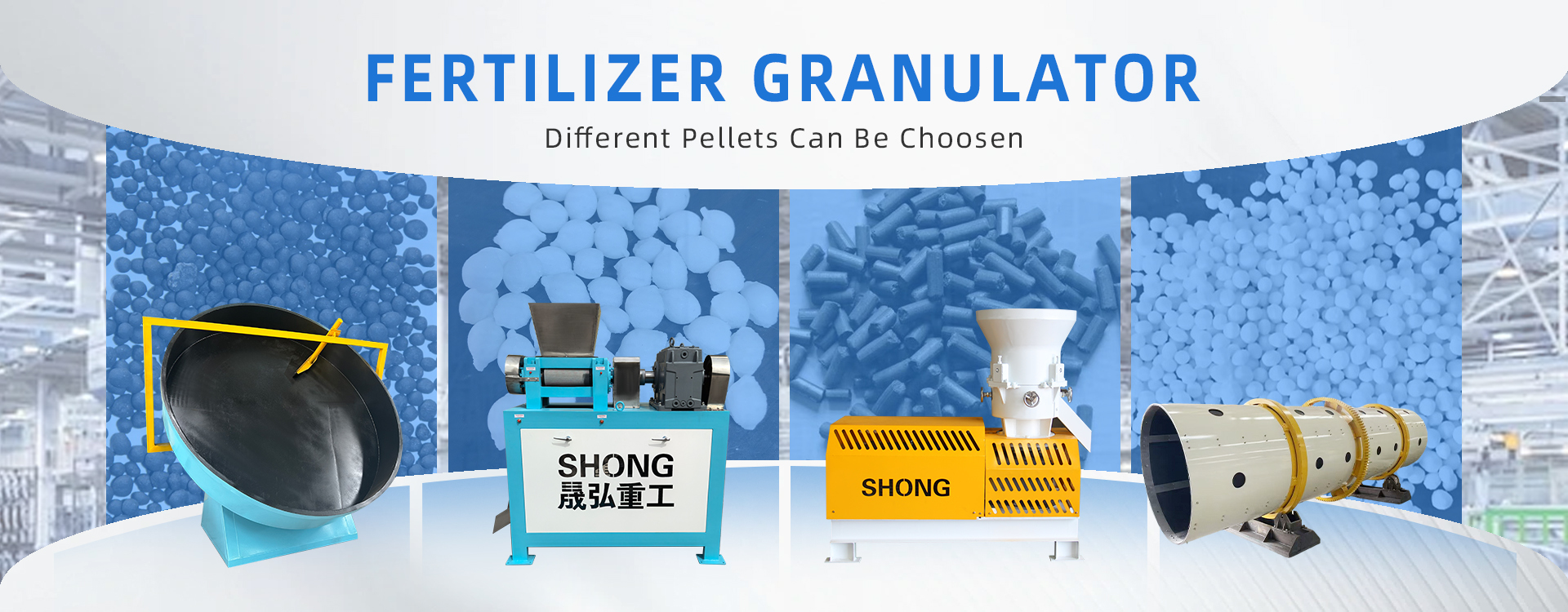
Principalamente comprese le attrezzature per la produzione di concimi composti, le attrezzature per le linee di produzione di concimi organici, la granulazione a doppia bobina
Guarda di più
ZHENGZHOU SHENGHONG HEAVY INDUSTRY TECHNOLOGY CO., LTD.

ALTA QUALITÀ

Sigillo di Fiducia, Controllo del Credito, RoSH e Valutazione delle Capacità del Fornitore. l'azienda ha un sistema di controllo qualità rigoroso e un laboratorio di test professionale.
ZHENGZHOU SHENGHONG HEAVY INDUSTRY TECHNOLOGY CO., LTD.

SVILUPPO

Team di progettazione professionale interno e officina meccanica avanzata. Possiamo collaborare per sviluppare i prodotti di cui hai bisogno.
ZHENGZHOU SHENGHONG HEAVY INDUSTRY TECHNOLOGY CO., LTD.

PRODUZIONE

Macchine automatiche avanzate, sistema di controllo del processo rigoroso. Siamo in grado di produrre tutti i terminali elettrici oltre le vostre esigenze.
ZHENGZHOU SHENGHONG HEAVY INDUSTRY TECHNOLOGY CO., LTD.

SERVIZIO AL 100%

Imballaggio piccolo sfuso e personalizzato, FOB, CIF, DDU e DDP. Lasciaci aiutarti a trovare la soluzione migliore per tutte le tue esigenze.

2003

Anno di istituzione:

>100+

Impiegati

2000+

Clienti Serviti

8000+

Vendite annue:

i nostri prodotti

Prodotti in primo piano

Contatto in qualsiasi momento
Invii

ZHENGZHOU SHENGHONG HEAVY INDUSTRY TECHNOLOGY CO., LTD.

Indirizzo: N. 416, 9° piano, Edificio B, Shenglong Central Plaza, Zona High-tech, Città di Zhengzhou, Provincia di Henan
Fax: 86-371-64865777
Telefono: 86--15286833220
i nostri prodotti
Prodotti principali
Altri prodotti
I nostri casi
Progetti industriali recenti
Ultimi casi aziendali Linea di produzione di fertilizzanti composti a doppio sistema in Indonesia: Supporto tecnico in loco pre-installazione
2025/11/21
Linea di produzione di fertilizzanti composti a doppio sistema in Indonesia: Supporto tecnico in loco pre-installazione
Recentemente, il nostro team tecnico si è recato in Indonesia per condurre una valutazione sul campo e fornire indicazioni pre-installazione per una linea di produzione di fertilizzanti composti che combina sistemi di granulazione a tamburo e a disco. La linea è progettata per la produzione efficiente di formulazioni di fertilizzanti sia standard che specializzate. Prima dell'inizio dell'installazione formale, i nostri ingegneri hanno completato ispezioni complete in loco, coprendo la disposizione della fabbrica, la pianificazione delle fondamenta e la progettazione del flusso dei materiali. Hanno lavorato direttamente con il team del cliente per ottimizzare il posizionamento delle attrezzature e il coordinamento del processo per l'installazione integrata di granulazione a tamburo e a disco. La linea di produzione presenta un flusso di lavoro ben organizzato in cui le materie prime vengono prima processate attraverso il granulatore a tamburo per la formazione iniziale dei granuli, seguito dalla lucidatura e finitura nel granulatore a disco per ottenere dimensioni uniformi delle particelle e una superficie liscia. Questo processo combinato è particolarmente adatto per la produzione di vari fertilizzanti composti NPK, specialmente quelli che richiedono sia un'elevata capacità produttiva che un aspetto eccellente del prodotto. Il sistema dimostra una forte adattabilità per la lavorazione di molteplici tipi di materie prime, tra cui fosfato di ammonio, urea, cloruro di potassio e vari materiali di riempimento. Questa flessibilità lo rende ideale per gli impianti di fertilizzanti che producono miscele per diverse colture e condizioni del suolo. Questo supporto tecnico in loco durante la fase di pre-installazione ha garantito che tutti i lavori di preparazione soddisfacessero i requisiti operativi del sistema di granulazione duale. La combinazione di granulazione a tamburo (per la produzione ad alto volume) e granulazione a disco (per la raffinazione del prodotto) offre al cliente una capacità produttiva flessibile ed efficiente. Ci impegniamo a fornire supporto tecnico professionale durante l'intero ciclo del progetto, aiutando i clienti internazionali a raggiungere un'installazione di successo e un funzionamento ottimale dei loro sistemi di produzione di fertilizzanti.   Zhengzhou Shenghong Heavy Industry Technology Co., Ltd. Email: sales@gcfertilizergranulator.com WhatsApp: 0086 15286833220 Wechat: +86 15286833220
Ultimi casi aziendali Linea di produzione di polvere di fertilizzanti organici da 1-2 t/h installata con successo in Paraguay
2025/08/21
Linea di produzione di polvere di fertilizzanti organici da 1-2 t/h installata con successo in Paraguay
Una linea di produzione di fertilizzanti organici compatti in polvere è stata installata e messa in servizio in Paraguay, con una capacità operativa di 1-2 tonnellate all'ora.trasformazione efficiente di materiali organici in polvere di concime fine pronta all'uso. Il processo di produzione inizia con la fermentazione controllata dei materiali organici grezzi, seguita da frantumazione, selezione e miscelazione per produrre polvere uniforme e ricca di nutrienti.La linea è progettata per la semplicità e l' affidabilità, che lo rende particolarmente adatto alle piccole e medie imprese che cercano una soluzione efficiente per la valorizzazione dei rifiuti organici. Questo impianto risponde efficacemente alle esigenze locali di trasformazione dei residui agricoli e zootecnici in preziosi fertilizzanti organici.Il sistema dimostra prestazioni stabili nella lavorazione di vari input biologici mantenendo una qualità del prodotto costante. L'implementazione di questo progetto con successo sostiene il settore dell'agricoltura biologica in crescita del Paraguay e fornisce al cliente una soluzione pratica per la produzione sostenibile di fertilizzanti.Restiamo impegnati a fornire soluzioni tecniche adeguate che soddisfino i requisiti regionali e contribuiscano a pratiche agricole circolari.   Zhengzhou Shenghong Heavy Industry Technology Co., Ltd. Email: sales@gcfertilizergranulator.com WhatsApp: 0086 15286833220 Wechat: +86 15286833220
Ultimi casi aziendali 3.5t/h Fertilizzante organico Flat Die Granulation Line Installato con successo
2025/08/08
3.5t/h Fertilizzante organico Flat Die Granulation Line Installato con successo
È stata installata e messa in servizio una linea completa di produzione di fertilizzanti organici che integra la granulazione a stampo piatto con la tecnologia di essiccazione.produzione di concimi organici granulari uniformi e di alta qualità pronti per l'imballaggio e la distribuzione. Il sistema è dotato di un granulatore a stampo piatto come unità di formazione centrale, che compatta in modo efficiente i materiali organici fermentati in granuli solidi mediante pressione meccanica.Un asciugatore a cinghia integrato è collegato direttamente al granulatore, che fornisce un'essiccazione continua e uniforme per stabilizzare i granuli e ridurre il contenuto di umidità agli standard commerciali. Questo impianto dimostra un coordinamento efficiente tra le fasi di granulazione e di asciugatura, garantendo un flusso regolare dei materiali e una produzione stabile.Il granulatore a matrici piane si rivela particolarmente efficace nella lavorazione di materiali organici fibrosi, mentre l'asciugatrice a nastro offre un regolabile controllo della temperatura e della velocità per le diverse caratteristiche del materiale. La riuscita di questo progetto evidenzia la nostra capacità di fornire soluzioni integrate che combinano una tecnologia di granulazione specializzata con sistemi di essiccazione adeguati.La linea supporta il cliente nella produzione di prodotti duraturi., granuli di fertilizzante organico ad alto valore, adatti per lo stoccaggio, il trasporto e l'uso agricolo.     Zhengzhou Shenghong Heavy Industry Technology Co., Ltd. Email: sales@gcfertilizergranulator.com WhatsApp: 0086 15286833220 Wechat: +86 15286833220
Ultimi casi aziendali Linea di produzione di polvere e granuli di fertilizzanti organici da 50.000 tonnellate all'anno installata con successo
2025/06/17
Linea di produzione di polvere e granuli di fertilizzanti organici da 50.000 tonnellate all'anno installata con successo
È stato installato e messo in funzione un sistema completo di produzione di fertilizzanti organici a doppio uso con una capacità annuale di 50.000 tonnellate.La linea produce in modo efficiente fertilizzanti organici in polvere e in granuli dallo stesso sistema di lavorazione integrato, sostenendo l'offerta flessibile del mercato. Il sistema di produzione opera attraverso un processo continuo che inizia con la fermentazione della materia prima e progredisce attraverso la frantumazione, la miscelazione e l'essiccazione per produrre polvere di fertilizzante di alta qualità.Una linea di granulazione parallela consente la conversione degli stessi materiali di base in materiali uniformi, granuli pronti per il commercio, che offrono una completa flessibilità di produzione. Progettato per l'efficienza e la versatilità, questo impianto consente al cliente di regolare la produzione tra polvere e granuli in base alla domanda stagionale e alle esigenze del cliente.Il sistema mantiene una qualità costante in entrambe le forme di prodotto mentre funziona alla sua capacità progettata. Questo progetto dimostra la nostra capacità di fornire soluzioni di fertilizzanti organici su larga scala e multi-formato, sostenendo i produttori nel massimizzare la loro flessibilità operativa e la reattività del mercato.   Zhengzhou Shenghong Heavy Industry Technology Co., Ltd. Email: sales@gcfertilizergranulator.com WhatsApp: 0086 15286833220 Wechat: +86 15286833220
Ultimi casi aziendali Linea di granulazione di fertilizzanti organici da 2-3 t/h installata con successo in Kenya
2025/02/05
Linea di granulazione di fertilizzanti organici da 2-3 t/h installata con successo in Kenya
Abbiamo recentemente completato con successo un progetto di installazione per il nostro partner in Kenya. Il cliente aveva bisogno di una soluzione affidabile per convertire i rifiuti organici in granuli di fertilizzante di alta qualità. Una caratteristica distintiva di questo progetto è il colore verde vibrante applicato a tutta la linea di produzione, personalizzato in base alle preferenze del cliente.Il nucleo del sistema è il nostro granulatore specializzato di fertilizzanti organiciQuesta macchina utilizza un tamburo rotante con denti di agitazione montati internamente per modellare delicatamente polvere organica umida in granuli uniformi e sferici.Questo processo garantisce un elevato tasso di granulazione e produce un minimo di polvere. Il processo di granulazione è supportato da un sistema di riscaldamento a biomassa dedicato, che utilizza come combustibile rifiuti agricoli di origine locale.Questo offre una fonte di calore stabile ed economica per la fase di asciugatura, riducendo significativamente le spese operative. Il nostro ingegnere è stato sul posto per guidare l'installazione e la messa in servizio.Siamo orgogliosi di sostenere il nostro partner keniota nel rafforzare l'agricoltura locale sostenibile e contribuire alla crescita del loro business.     Zhengzhou Shenghong Heavy Industry Technology Co., Ltd. Email: sales@gcfertilizergranulator.com WhatsApp: 0086 15286833220 Wechat: +86 15286833220
Ultimi casi aziendali Linea di produzione di fertilizzanti idrosolubili installata con successo in India
2024/10/22
Linea di produzione di fertilizzanti idrosolubili installata con successo in India
Una linea completa di produzione di fertilizzanti idrosolubili è stata installata e messa in funzione per il nostro cliente in India. La linea è ora pienamente operativa e produce fertilizzanti di alta qualità, completamente solubili, per soddisfare la crescente domanda di agricoltura di precisione e sistemi di fertirrigazione nella regione. La linea di produzione comprende attrezzature specializzate per il dosaggio degli ingredienti, la miscelazione, la reazione e l'essiccazione, progettate per produrre fertilizzanti con elevata solubilità e rapida disponibilità di nutrienti. Il sistema garantisce un controllo preciso della formulazione e una qualità uniforme del prodotto, rendendolo adatto a un'ampia gamma di colture e metodi di irrigazione. Questa installazione dimostra la nostra capacità di fornire soluzioni su misura per il settore dei fertilizzanti idrosolubili, combinando una tecnologia di produzione avanzata con un design operativo pratico. La linea è stata ottimizzata per gestire vari input di materie prime, mantenendo al contempo efficienza e consistenza del prodotto. Siamo lieti di supportare l'espansione delle moderne pratiche agricole in India e restiamo impegnati a fornire attrezzature affidabili e competenze tecniche ai produttori di fertilizzanti a livello globale.   Zhengzhou Shenghong Heavy Industry Technology Co., Ltd. Email: sales@gcfertilizergranulator.com WhatsApp: 0086 15286833220 Wechat: +86 15286833220
Evento
Ultime notizie
Ultime notizie aziendali su Overcoming Low NPK Granulation Yields in South Asian Plants
Overcoming Low NPK Granulation Yields in South Asian Plants
The demand for high-analysis compound fertilizers across South Asia is driving a surge in new small-to-medium NPK production lines in India, Bangladesh, and Pakistan. However, many newly established plants face severe engineering bottlenecks when processing conventional sulfate-based or chloride-based formulations, particularly low one-time granulation rates and heavy return loops. Critical Factors Driving Low Granulation Efficiency in NPK Formulations Under the high-ambient-humidity and high-temperature conditions typical of South Asia, blending Urea, Monoammonium Phosphate (MAP), and Muriate of Potash (MOP) or Sulfate of Potash (SOP) often triggers low-melting-point eutectic reactions. 1. Depressed Critical Relative Humidity When urea makes physical contact with potassium chloride, the mixture's critical relative humidity drops significantly. At ambient temperatures, even minor moisture in the air causes the materials to become hygroscopic. This induces premature agglomeration or localized severe sticking instead of forming dense spherical grains. 2. Insufficient Powder Homogeneity If the mixing homogeneity of the upstream equipment drops below 90%, it causes an asymmetrical distribution of nutrients entering the granulator. Localized high nitrogen levels lead to intense sticking on the internal drum wall, while localized high potash levels lack cohesive binding properties, dragging down the overall granulation efficiency. Systemic Solutions via Continuous Rotary Drum Granulation Technology To overcome these operational challenges, utilizing a continuous Rotary Drum Granulation Production Line is becoming the benchmark choice in modern plant selection guides for mid-scale fertilizer processors. 1. Implementing High-Precision Homogenization To raise the single-pass granulation efficiency, materials must be uniformly distributed at a micro-level. Modern production lines utilize twin-shaft horizontal mixers to achieve a verified mixing homogeneity of ≥ 95%. This establishes the structural baseline for optimal material aggregation inside the drum. 2. Saturated Steam Agglomeration and Liquid Phase Control The core of modern drum processing relies on steam agglomeration. By continuously injecting regulated saturated steam into the material bed, it replaces traditional water-spraying methods. Steam precisely controls the liquid phase volume and raises the bed temperature to 65°C - 80°C. This activates a controlled eutectic melting of urea to serve as a natural binder, causing the powders to wrap and consolidate rapidly via the rolling action of the shell. 3. Flexible Liners and Material Self-Cleaning To combat the severe sticking tendencies of chloride or sulfate-based NPKs in humid environments, the drum interior is fitted with a UHMW-PE or flexible rubber liner. As the cylinder rotates, the liner undergoes subtle gravitational deformation, forcing adhered fertilizer to shed automatically. This sustains a constant effective working volume, keeping the integrated granulation rate stable at 85% - 93%. Thermal Balancing Recommendations for Newly Built Mid-Scale Plants Resolving low granulation rates requires a continuous thermal equilibrium across the entire downstream drying and cooling infrastructure. Moist granules exiting the granulator must immediately enter a concurrent-flow rotary dryer, where regulated hot air locks in the particle surface matrix. Following this, a counter-current cooler drops the core granule temperature below 40°C. This meticulous moisture and thermal management ensures that the qualified 1.0mm - 3.0mm spherical grains achieve a crushing strength of ≥ 20-35 N, completely eliminating downstream degradation, breaking, or dust generation during storage and deep bulk stacking.
Ultime notizie aziendali su Resolving Eutectic Sticking in Bangladesh NPK Upgrades
Resolving Eutectic Sticking in Bangladesh NPK Upgrades
The increasing demand for high-analysis NPK fertilizers in Bangladesh is driving many mid-scale processing plants to upgrade their production infrastructure. However, processing standard Urea, Monoammonium Phosphate (MAP), and Muriate of Potash (MOP) formulations often triggers severe low-melting-point eutectic reactions. This analytical guide presents the exact technical workflow used to boost continuous granulation yield and reduce excessive return loops. Understanding the Eutectic Dilemma in Urea-MAP-MOP Systems Under high ambient temperatures and tropical humidity,无机 raw materials interact aggressively during physical mixing. 1. Critical Relative Humidity Collapse When pulverized urea blends with potassium chloride, the critical relative humidity of the mixed batch falls below its individual thresholds. In traditional wet granulation layouts, ambient humidity is enough to initiate localized surface melting, transforming the powder into a slurry that forms dense, hard crusts on the internal drum steel. 2. High Return Rates from Weak Agglomeration Without thermal limits controlling the liquid phase volume at the feeding zone, the powder bed oscillates between over-saturated mud and brittle fines. The absence of balanced physical cohesion inhibits consistent spherical growth, driving one-time granulation rates below 50% and doubling the physical strain on the return circuits. Technical Milestones of the Rotary Drum Granulation Production Line Upgrade To counteract eutectic melting, the structural upgrade implements continuous material homogenization and advanced heat-and-moisture tracking. 1. High-Performance Homogenization Pre-Treatment The modified plant places a twin-shaft horizontal mixer right after the electronic batching scales. High-intensity paddle shearing achieves a mixing homogeneity of ≥ 95%. This symmetric distribution prevents chemical concentration spikes, eliminating localized fluid surges inside the granulator. 2. Vaporization Control via Saturated Steam Agglomeration The plant replaced ordinary cold-water spraying with regulated saturated steam injected under the rotating bed material. The steam locks the material core temperature at 65°C - 80°C, triggering a micro-level surface melting of the urea crystals. This highly viscous film acts as a uniform chemical binder, causing the powders to cross-link cleanly under rotating mechanical friction. 3. Self-Cleaning via Flexible Synthetic Shell Liners To stop the highly reactive NPK mixture from adhering to the drum, the unit incorporates an internal UHMW-PE or flexible rubber liner. As the drum completes its rotational path, the liner experiences subtle gravitational deflection. This continuous wave motion releases sticky material before it can cross-crystallize into a solid crust, sustaining a constant functional volume and keeping the granulation rate stable at 85% - 93%. Streamlining Downstream Thermal Balancing and Granule Physical Integrity Maximizing single-pass granulation yield is only viable when the downstream drying and cooling stages operate in absolute thermal harmony. The high-yield moist granules are instantly routed through parallel-flow dryers and counter-current coolers to lock in the crystal matrix. This layout avoids overheating that causes biuret extension or chemical degradation, while producing 1.0mm - 3.0mm spherical compound fertilizers with a crushing strength of ≥ 20-35 N. This technical parameter guarantees that the final product can withstand deep warehouse stacking and bulk transport across humid regional territories without crushing or dusting.
Ultime notizie aziendali su Boosting High-Nitrogen NPK Yield: Pakistan Plant Guide
Boosting High-Nitrogen NPK Yield: Pakistan Plant Guide
The increasing agricultural demand for high-analysis compound fertilizers across Pakistan has made establishing automated NPK production lines a primary investment for small-to-medium processors. However, processing high-nitrogen recipes containing elevated urea ratios often leads to material liquefaction and poor single-pass pelletization efficiency. This engineering guide outlines key plant selection metrics to stabilize continuous granulation yield. Technical Barriers of High-Nitrogen Granulation in New Processing Plants High-nitrogen formulations present strict chemical and physical boundaries during large-scale manufacturing due to their acute thermal sensitivity. 1. Critical Hygroscopicity and Surface Softening Urea possesses intense water solubility. When a newly built plant relies on basic raw blending without proper micro-homogenization, the chemical interaction with ambient air causes moisture absorption. This prematurely softens the urea surfaces, causing large unshaped lumps to form before the material even enters the granulator. 2. Failure of Conventional Water-Spray Systems Standard mid-scale plants frequently deploy basic water-spraying agglomeration techniques. However, high-nitrogen compounds feature an incredibly narrow moisture tolerance window. A slight excess of water liquefies the entire product bed into mud that blinds the metal, while insufficient moisture leaves the material dry, driving down single-pass yield and overloading return conveyor belts. Plant Selection Guide: Maximizing High-Nitrogen Yield via Rotary Drum Lines To guarantee process reliability, mid-sized fertilizer projects must prioritize precision material blending and advanced liquid-phase thermodynamic control during equipment procurement. 1. Integrating Twin-Shaft High-Intensity Mixers Continuous spherical growth requires identical chemical distribution throughout the entire powder matrix. Modern high-yield lines mandate an upstream dual-shaft horizontal mixer. Its heavy-duty paddle shear patterns ensure a mixing homogeneity of ≥ 95%, de-agglomerating urea clusters to establish a uniform physical baseline before the granulating step. 2. Specifying Saturated Steam Systems over Water Spraying Project engineers should choose a drum granulator designed with a saturated steam injection manifold. Injecting low-pressure vapor into the rolling bed raises and locks the internal matrix temperature at 65°C - 80°C. This specific thermal state prompts a controlled, micro-level surface melting of the urea crystals, generating a high-viscosity binder that enables smooth, uniform sphere formation. 3. Deploying Synthetic Self-Cleaning Shell Liners To counteract the intense adhesive traits of high-urea blends, the granulator cylinder interior must be lined with a UHMW-PE or flexible rubber liner. As the unit completes its rotational track, gravity causes the non-stick liner to flex slightly. This continuous wave movement strips away soft sticky deposits before they harden, keeping the active working volume constant and maintaining a stable granulation rate of 85% - 93%. Streamlining Post-Granulation Thermal Balance to Secure Mechanical Strength While achieving high initial sphericity is vital, high-nitrogen pellets must pass through proper drying and cooling systems to fully cure their internal crystal lattices. Moist granules from the drum discharge must immediately enter a concurrent-flow rotary dryer for rapid moisture evacuation, followed by a counter-current cooler to pull core temperatures under 40°C. This continuous thermal balancing prevents chemical degradation and biuret expansion while delivering 1.0mm - 3.0mm compound granules with a crushing strength of ≥ 20-35 N. This technical standard fully ensures the final product survives bulk silo storage and long-distance regional transport across Pakistan without crushing or generating dust.
Ultime notizie aziendali su Slashing Thermal Energy Waste in Southeast Asian NPK Lines
Slashing Thermal Energy Waste in Southeast Asian NPK Lines
Investors establishing small-to-medium NPK compound fertilizer production lines across humid regions like Indonesia, Malaysia, and Vietnam frequently battle a major engineering barrier. Processing standard Urea, Monoammonium Phosphate (MAP), and Muriate of Potash (MOP) formulations often demands excessive energy during downstream drying and cooling. This selection guide highlights how optimizing parallel drying airflows and counter-current coolers eliminates energy waste while securing a continuous, high-efficiency system. Root Causes of High Thermal Energy Consumption in Chloride-Based NPK Lines In standard compound fertilizer lines, downstream drying and cooling consume over 40% of the entire facility's active operational budget. 1. High Hygroscopicity and Entrapped Moisture of MOP Recipes Muriate of Potash exhibits an aggressive affinity for moisture under high temperatures, locking structural water molecules deep within the granule matrix. If the drying assembly fails to regulate air temperatures and material retention time, operators often over-fire hot stoves to force moisture extraction, leading to massive fuel losses. 2. Thermal Decomposition Thresholds of Temperature-Sensitive Inputs Urea and ammonium salts feature strict thermal degradation baselines. If the hot air temperature spikes or distributes unevenly, surface urea melts or triggers low-melting-point eutectic reactions, causing granules to soften and stick inside the shell. Consequently, plants must throttle drying speeds and extend run cycles, multiplying electricity and fuel bills. Technical Selection Guide: Balancing Rotary Dryers and Counter-Current Coolers To eradicate heavy energy footprints, newly designed mid-scale projects must integrate rigorous thermodynamic alignment across burners, drying drums, and cooling systems. 1. High-Performance Mixing Secures Thermal Uniformity Efficient moisture evacuation depends entirely on micro-level chemical symmetry within the pellets. Modern energy-saving lines insert a twin-shaft horizontal mixer upstream to guarantee a mixing homogeneity of ≥ 95%. This uniform distribution delivers an identical heat transfer coefficient across all particles, preventing uneven energy absorption and optimizing downstream drum heat exchange. 2. Specifying Concurrent Drying Airflow with Cyclone Negative Pressure For chloride-based NPK paths, project engineers should mandate concurrent-flow rotary dryers. High-temperature hot air and wet granules enter the drum simultaneously from the same inlet, instantly vaporizing surface-bound moisture. The air temperature then drops naturally along the process path to safeguard sensitive nutrients. Combining this with high-vacuum cyclone collectors at the exhaust ensures that moist air and escaping fines are extracted under negative pressure, recycling residual heat while maintaining a clean interior shell. 3. Deploying Counter-Current Cooling to Halt Caking Cycles Granules discharging from dryers usually hold temperatures of 60°C to 70°C. Without immediate, rapid cooling, these grains face crystal transformation phases that trigger heavy clumping in commercial packaging. Modern layouts introduce counter-current rotary coolers. Ambient air enters from the discharge end, flowing against the advancing hot fertilizer bed. This layout maximizes convective heat transfer efficiency, and the resulting warm exhaust is rerouted back into the hot stove to optimize preheating efficiency. Validating Finished Granule Integrity in a Closed-Loop Thermal System A scientifically balanced thermal layout reduces factory overhead while ensuring the structural and physical parameters of the industrial fertilizer. The qualified 1.0mm to 3.0mm spherical compound grains sorted by the rotary screener exhibit tight crystalline structures due to the gentle dehydration and rapid cooling steps. The entire line preserves an integrated granulation rate of 85% - 93%, creating spheres with an individual crushing strength of ≥ 20-35 N. This technical parameter fully guarantees that high-analysis chloride NPKs can withstand deep silo stacking and bulk maritime transit throughout Southeast Asia without crushing, dusting, or caking.
Ultime notizie aziendali su How Steam Granulation Slashes Drying Costs in SE Asia
How Steam Granulation Slashes Drying Costs in SE Asia
Across key agricultural regions in Vietnam and Cambodia, small-to-medium compound fertilizer manufacturers are actively upgrading obsolete setups into continuous Rotary Drum Granulation Production Lines. Due to the year-round tropical humidity and high ambient temperatures, controlling operating expenses (OPEX) during the fuel-heavy drying phase has become a major challenge for plant owners. This guide details how shifting to modern continuous steam agglomeration systematically reduces downstream thermal energy consumption. Why Obsolete Granulation Layouts Force Excessive Drying Energy Waste Standard mid-scale fertilizer lines often suffer from weak upstream moisture and liquid-phase control, pushing the entire thermal dehydration strain onto downstream equipment. 1. Excessive Water Volume Injected via Cold-Water Agglomeration Traditional pan granulators or standard rotary drums rely heavily on basic water-spraying nozzles to prompt material binding. Because there is no precision control over fluid saturation, the exiting wet granules carry an excessive moisture load of 8% to 12%. To force this down to a safe warehouse storage boundary of 1.5% - 2.0%, downstream rotary dryers must operate at peak capacity for extended cycles, causing fuel costs to skyrocket. 2. Weak Powder Sphericity and Uneven Heat Distribution Without heavy-duty upstream material blending, foundational ingredients like Urea, Monoammonium Phosphate (MAP), and Muriate of Potash (MOP) enter the drum with high structural asymmetry. This micro-level nutrient imbalance creates uneven heat transfer coefficients across the moist pellets. Inside the drying shell, high-nitrogen patches melt prematurely under hot air, forcing operators to lower air velocities and temperatures, which drags out run times and worsens energy-per-ton metrics. Technical Milestones of Continuous Steam Agglomeration in Cutting Energy Footprints Continuous steam agglomeration addresses energy waste at the root by optimizing the chemical and physical reaction boundaries of the raw material matrix. 1. High-Performance Mixing Establishes Uniform Heat Transfer Energy-saving lines position a twin-shaft horizontal mixer upstream of the granulator. Continuous high-frequency paddle shearing achieves a verified mixing homogeneity of ≥ 95%. Fully homogenized powder guarantees that every granule exiting the drum shares identical thermodynamic properties, enabling synchronized moisture evacuation in the dryer and preventing localized wall-sticking. 2. Utilizing Saturated Steam to Minimize Input Moisture Volume The core of modern drum processing relies on steam agglomeration instead of liquid water injection. The system introduces regulated saturated steam into the rolling bed through specialized internal headers. As the vapor condenses on the powder surfaces, its latent heat raises the bed temperature to 65°C - 80°C. This specific thermal range triggers a controlled surface melting of the urea crystals, acting as a high-viscosity binder. This technique locks the initial discharge moisture at an incredibly low 4% to 6%, reducing external water inputs by nearly half and cutting the drying evaporation load by over 40%. 3. Synthetic Self-Cleaning Liners Stabilize Active Heat Exchange To prevent NPK compounds from blinding the shell interior in humid climates, the drum incorporates an internal UHMW-PE or flexible rubber liner. As the drum rotates, the non-stick liner flexes slightly under gravity. This continuous movement sheds soft sticky build-ups before they form a hard crust, sustaining a constant operational volume and maintaining a stable granulation rate of 85% - 93% without wasteful recycling loops. Maximizing Thermal Efficiency and Finished Granule Reliability By lowering initial water inputs and deploying high-vacuum cyclone collectors at the dryer discharge, the facility safely captures escaping fines under negative pressure while recovering residual exhaust heat to optimize thermal looping. The processed 1.0mm to 3.0mm spherical compound grains sorted by the rotary screener exhibit tight crystalline structures, achieving an individual crushing strength of ≥ 20-35 N. This technical parameter fully guarantees that high-analysis NPKs can survive deep bulk stacking and maritime transportation throughout Southeast Asia without crushing, dusting, or clumping.
Ultime notizie aziendali su Optimizing NPK Roller Footprints: Thailand SOP-Based Line
Optimizing NPK Roller Footprints: Thailand SOP-Based Line
Across major inorganic fertilizer manufacturing sectors in Thailand, small-to-medium compound fertilizer processors are rapidly adopting dry Double Roller Granulation Production Lines. Given Thailand's year-round tropical humidity, traditional wet systems suffer from heavy operational fuel costs during thermal drying. Transitioning to custom non-thermal roller extrusion enables ambient, one-time molding without hot-stove utilities. However, balancing the physical blending ratios of Urea and Monoammonium Phosphate (MAP) is critical to stabilizing long-term mechanical uptime. Technical Barriers of High-Analysis SOP-Based Formulations under High Line Pressure During physical compression within the extrusion zone, raw materials undergo extreme linear force under tight moisture boundaries, making consistent ingredient physical pairing essential. 1. Eutectic Melting and Roller Surface Blindness When pulverized urea mixes with MAP under heavy mechanical compression, friction-induced heat triggers a rapid collapse of the critical relative humidity threshold. If the urea ratio is poorly controlled, localized thermal buildup converts dry powder into a sticky slurry, blinding the roller shell molds and forcing frequent emergency cleanouts. 2. Variable Material Hardness Driving Low Molding Efficiency Standard sulfate-based NPK paths contain substantial volumes of Sulfate of Potash (SOP). SOP crystals are physically dense, whereas MAP aggregates are comparatively brittle. If the upstream scales fail to balance soft thermal-sensitive inputs (urea) with hard crystals (SOP and MAP), the feed bed experiences structural density rifts. This drastically lowers one-time flaking efficiency and overloads return conveyors. System Selection Guide: Precision Formulation Balancing and Extrusion Optimization To maximize energy efficiency, newly established dry processing lines must integrate precision upstream material homogenization with heavy-duty roller core configurations. 1. Computerized Batching Paired with High-Performance Homogenization Preventing structural wall-sticking requires absolute micrometric blending. Modern continuous lines deploy computerized multi-silo batching alongside a twin-shaft horizontal mixer. Continuous high-frequency paddle shearing secures a mixing homogeneity of ≥ 95%. This distribution shatters urea nests, allowing uniform heat and pressure dissipation across the entire roller bed. 2. Strict Boundary Control of Input Moisture Because roller extrusion represents a true dry-powder compression process, the combined input moisture content must be maintained strictly between 2% and 5%. Managing the formulation ratios utilizes localized crystal-lattice moisture liberated under intense pressure as a natural binder. This yields one-time molding and eliminates fuel-hungry hot stoves, slashing plant thermal energy footprints to zero. 3. High-Hardness Forged Roller Shells Ensure Consistent Compression To counter the abrasive wear of hard SOP blends, the granulator roller shells are constructed from premium forged alloy steel, treated with high-frequency quenching and carburization to reach a surface hardness of HRC 55-58. Heavy-duty hydraulics stabilize linear pressure between the shafts, maintaining an integrated granulation rate of 85% - 93% while eliminating wasteful electricity recycling loops. Finished Product Structural Reliability in Closed-Loop Dry Environments The compacted flakes exiting the double rollers pass directly into downstream sizing crushers and a high-frequency Vibrating Screen, instantly isolating qualified commercial products between 2.0mm and 4.75mm. Operating entirely at ambient temperatures eliminates thermal degradation or biuret expansion risks. The resulting SOP-based NPK spheres feature dense internal crystal structures, achieving an individual crushing strength of ≥ 15-25 N. This technical specification ensures that the high-analysis compound fertilizers survive high bulk stacking and long-distance transport throughout Thailand's high-humidity zones without crushing, dusting, or clumping.
Ultime notizie aziendali su Advanced Dust Control for Indonesian & Malaysian NPK Lines
Advanced Dust Control for Indonesian & Malaysian NPK Lines
Across the critical chemical fertilizer manufacturing corridors of Indonesia and Malaysia, local environmental protection agencies are strictly tightening airborne emission and factory floor air quality inspections. For new small-to-medium NPK projects, dry Double Roller Granulation Production Lines have become the benchmark choice because they operate entirely without fuel-hungry hot stoves, eliminating direct combustion emissions. However, mechanical crushing and sizing within a dry processing environment naturally generate localized airborne inorganic dust. Configuring a two-stage closed-loop cyclone collection layout is essential for ensuring new processing facilities successfully pass local Environmental Impact Assessments (EIA). Root Causes and Environmental Hazards of Excessive Dust in Dry Roller Lines In the mechanical processing of dry inorganic fertilizers, containing dust directly governs regulatory compliance and plant operating licenses. 1. High-Friction Stress During Flake Crushing and Sizing The double roller granulator applies extreme linear force to compress raw Urea-MAP-MOP mixtures into dense ribbons or flakes. These compacted flakes must then pass into downstream sizing crushers to be broken down into spherical fractions. This aggressive physical impact generates a substantial volume of brittle fines and micro-dust fractions with diameters under 100 microns, which rapidly migrate out of unsealed machine ports if negative pressure is missing. 2. Open Dust Migration on High-Frequency Sizing Screens Formed aggregates are instantly routed across a mechanical screening assembly for commercial sorting. The intense high-frequency vibrations lift unshaped fines off the screen mesh, suspending the powder particles in the surrounding air. If the screening chamber lacks absolute structural sealing or if the connected ductwork fails to maintain a continuous negative draft, airborne dust levels quickly breach local Malaysian and Indonesian indoor workplace threshold values. Technical Selection Guide: Dual-Stage Closed-Loop Collection Infrastructure To secure absolute environmental compliance, newly built mid-scale dry processing facilities must combine intensive material pre-homogenization, absolute machine isolation, and targeted negative-pressure extraction. 1. Minimizing Fine Generation via Upstream Homogenization The primary safeguard against high factory dust loads starts with increasing the structural stability of the compressed material. Modern continuous lines mandate a twin-shaft horizontal mixer upstream of the compression zone. High-frequency paddle shearing secures a mixing homogeneity of ≥ 95%. Fully homogenized powder shapes identical compression behavior between the roller shells, significantly raising the dense core structure of the flakes and limiting brittle fracture during sizing. 2. High-Efficiency Separation via Primary Large-Diameter Cyclones Heavy-duty, negative-pressure steel hoods are built directly over the crushing chambers and the Vibrating Screen. Industrial induction fans generate a steady internal negative draft across the closed circuit. Airborne dust-laden air is pulled first into a high-efficiency Cyclone Collector. Centrifugal forces separate over 90% of coarse fines along the cone walls, sending them through rotary valves back into the granulator feed port to sustain a zero-waste closed loop. 3. Secondary Pulse-Jet Filters Ensure Eco-Compliant Discharge Because Indonesian and Malaysian laws enforce strict limits on PM10 and PM2.5 discharge thresholds, the layout places a secondary pulse-jet fabric filter or wet scrubbing assembly downstream of the cyclone. The filter cages feature corrosion-resistant, anti-static membrane sleeves designed to capture remaining ultra-fine residues. This multi-stage continuous filtration drops final stack emissions under ≤ 30 mg/m³, aligning with stringent international environmental regulations. Finished Product Structural Integrity under Dry Closed-Loop Harvesting Operating under a well-balanced negative-pressure dust extraction loop not only secures factory compliance but also refines the final surface finish of the commercial fertilizer. Driven by premium forged alloy steel roller shells (hardened to HRC 55-58 via high-frequency quenching and carburization), the dry setup shapes qualified granules between 2.0mm and 4.75mm with a stable granulation rate of 85% - 93%. Because the negative draft pulls away stray surface powders before packaging, the harvested spheres feature clean, crisp boundaries and an individual crushing strength of ≥ 15-25 N. This technical specification prevents moisture-binding fines from triggering secondary clumping during bulk maritime transit and warehouse storage in hot, humid regional zones.
Ultime notizie aziendali su Resolving Airborne Emissions for Philippines Roller Lines
Resolving Airborne Emissions for Philippines Roller Lines
Across expanding agricultural sectors in Luzon and the Visayas regions of the Philippines, small-to-medium compound fertilizer manufacturers are actively scaling their NPK production infrastructure. To bypass the extreme fuel expenses of wet granulation during the heavy rainy season, plants are rapidly converting to dry Double Roller Granulation Production Lines. However, when processing high-concentration Urea and Muriate of Potash (Urea-MOP) blends, mechanical flaking and sizing generate intense ambient dust. This leaks beyond acceptable threshold limits enforced by the Department of Environment and Natural Resources (DENR). This guide details a systemic equipment blueprint combining structural sealing and dual-stage closed-loop dust harvesting. Three Structural Catalysts for Excessive Dust in Expanding Dry Urea-MOP Lines In dry industrial fertilizer setups running continuous high-load throughputs, airborne dust migration stems from distinct mechanical and climate actions. 1. Brittle Crystalline Cleavage and Micro-Fines Muriate of Potash exhibits high structural hardness with specific physical cleavage planes. When the double roller granulator compresses this chemical blend, the raw ribbons encounter immediate high-velocity downstream crushing to shape commercial fractions. This intense mechanical impact shatters MOP crystal matrices, yielding a high volume of brittle micro-fines between 10 and 50 microns that float into the atmosphere if suction is absent. 2. Moisture-Induced Dust Aggregation and Escape Urea is characteristically hygroscopic. Under the tropical maritime humidity of the Philippines, unsealed plant connections let humid air interface with loose urea powder. This moisture absorption causes localized surface melting, transforming dry dust into sticky particles. As these pass across high-frequency Vibrating Screens, the mechanical throwing motion suspends these particles, blinding dust vents and triggering open-air migration. 3. Positive Pressure Eruption at Material Transfer Junctions To maximize production capacity during expansions, plants often over-feed continuous input lines, causing material bottlenecks within bucket elevators and granulator chuting. High-velocity gravity drops within closed chutes compress the internal air volume, generating localized positive-pressure pockets. Without synchronized vacuum draft control, airborne inorganic dust erupts from flange joints and inspection ports. Technical Procurement Guide: Closed-Loop Negative-Pressure Filtration To secure continuous DENR compliance, expanding fertilizer facilities must treat dust control through upstream input homogenization, absolute machine containment, and synchronized two-stage negative-pressure filtration. 1. Elevating Compaction Density via Double-Shaft Blending Halting factory emissions requires optimizing particle interlocking during initial compaction. Modern continuous lines mount a twin-shaft horizontal mixer upstream of the roller shells. High-intensity paddle shear patterns ensure a mixing homogeneity of ≥ 95%. This distribution interlocks soft urea molecules symmetrically with hard potash grains, creating a dense ribbon core that limits brittle fracturing during downstream sizing. 2. Absolute Isolation via Systemic Micro-Negative Draft Project engineers must mandate premium steel containment housings over the granulator, flake crushers, and mechanical screening decks. All material transfer chutes are isolated with heavy-duty dust hoods and connected to a high-capacity vacuum extraction circuit. This setup maintains a continuous internal draft of -50 Pa to -100 Pa across the line, physically blocking dust from migrating outward into the workplace floor. 3. Continuous Multi-Stage Harvesting via Cyclones and Fabric Filters The extracted dust-laden airflow enters a heavy-duty, high-vacuum Cyclone Collector. Centrifugal forces instantly separate over 92% of coarse fines and return powders over 10 microns, returning them through a rotary airlock back into the granulator feed silo. The remaining ultra-fine air stream passes into a secondary pulse-jet fabric collector fitted with specialized anti-static, moisture-resistant membranes. This multi-stage setup drop chimney discharge under ≤ 30 mg/m³, aligning with world-class clean air standards. Finished Product Physical Excellence under Advanced Negative-Pressure Harvesting Operating an optimized closed-loop negative dust circuit protects the workforce while elevating the structural aesthetics of the harvested commercial fertilizer. Driven by premium forged alloy steel roller shells (hardened to HRC 55-58 via high-frequency quenching and carburization), the dry setup harvests uniform granules between 2.0mm and 4.75mm with an integrated granulation rate of 85% - 93%. Because the negative draft removes loose surface powder residues before bagging, the commercial spheres feature crisp boundaries and an individual crushing strength of ≥ 15-25 N. This parameter ensures that the high-analysis compound fertilizer survives long-distance inter-island shipping and deep warehouse stacking in tropical environments without crushing or dusting.